Advancing High-Performance Sustainable Fabrics Through Innovation

A Sustainable Path Forward
test

Building Long-Term Competitiveness Through Low-Carbon Manufacturing

As climate change and supply chain decarbonization continue to reshape the global textile industry, sustainability has become more than a matter of regulatory compliance. It is now a key foundation for long-term competitiveness. De Licacy has incorporated energy conservation, carbon reduction, and circular economy principles into its core operations, progressively reducing the environmental impact of its manufacturing activities through energy management, equipment upgrades, and responsible material selection.
Improving Energy Efficiency

test

Systematic Review

test

Improving Equipment Performance

test

ISO 50001

Enhancing Operational Performance Through Smart Energy Management

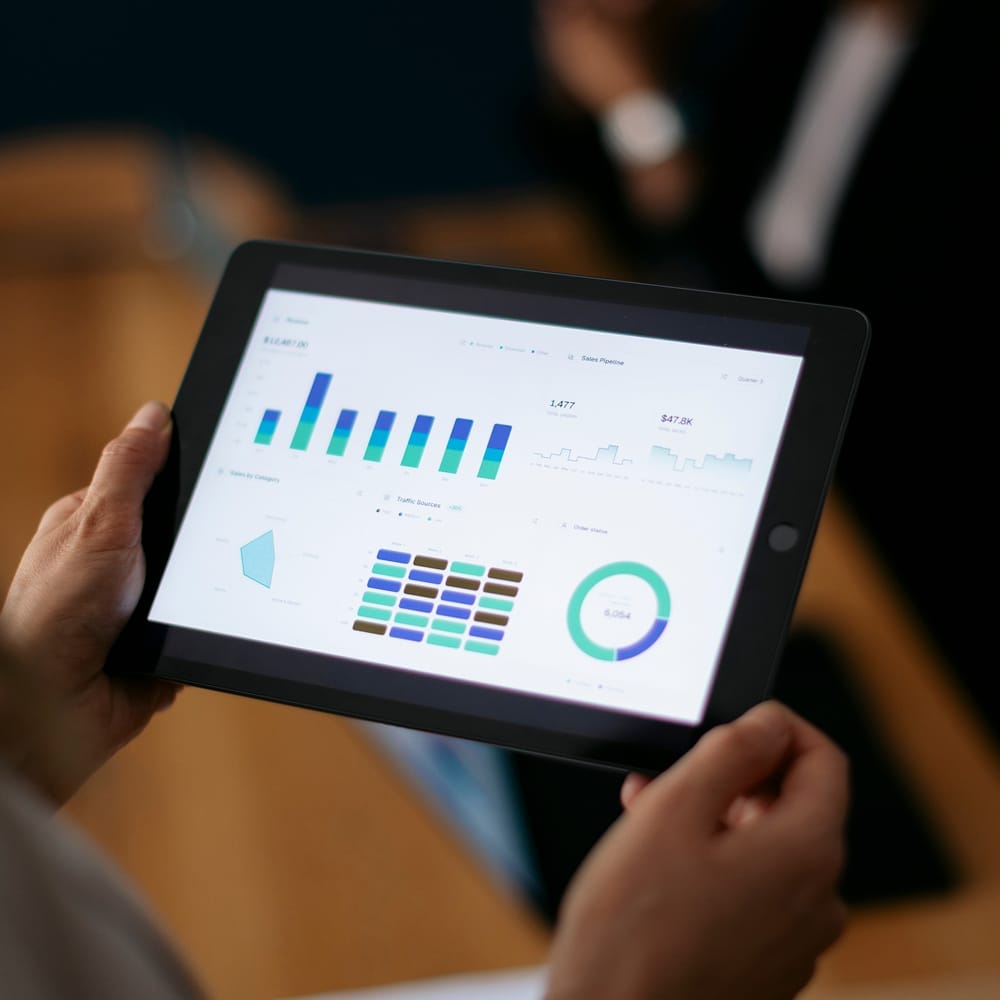
To improve energy efficiency, De Licacy introduced the ISO 50001 Energy Management System in 2023. Through systematic energy reviews, the Company identifies major energy-consuming operations and develops targeted improvement measures. In 2024, total energy consumption reached 636,231.17 GJ, representing a 9.87% decrease compared with 2023. Energy intensity also declined from 194.47 GJ per NT$ million in 2023 to 160.55 GJ per NT$ million in 2024, demonstrating continued improvement in energy efficiency.

Driving Manufacturing Upgrades

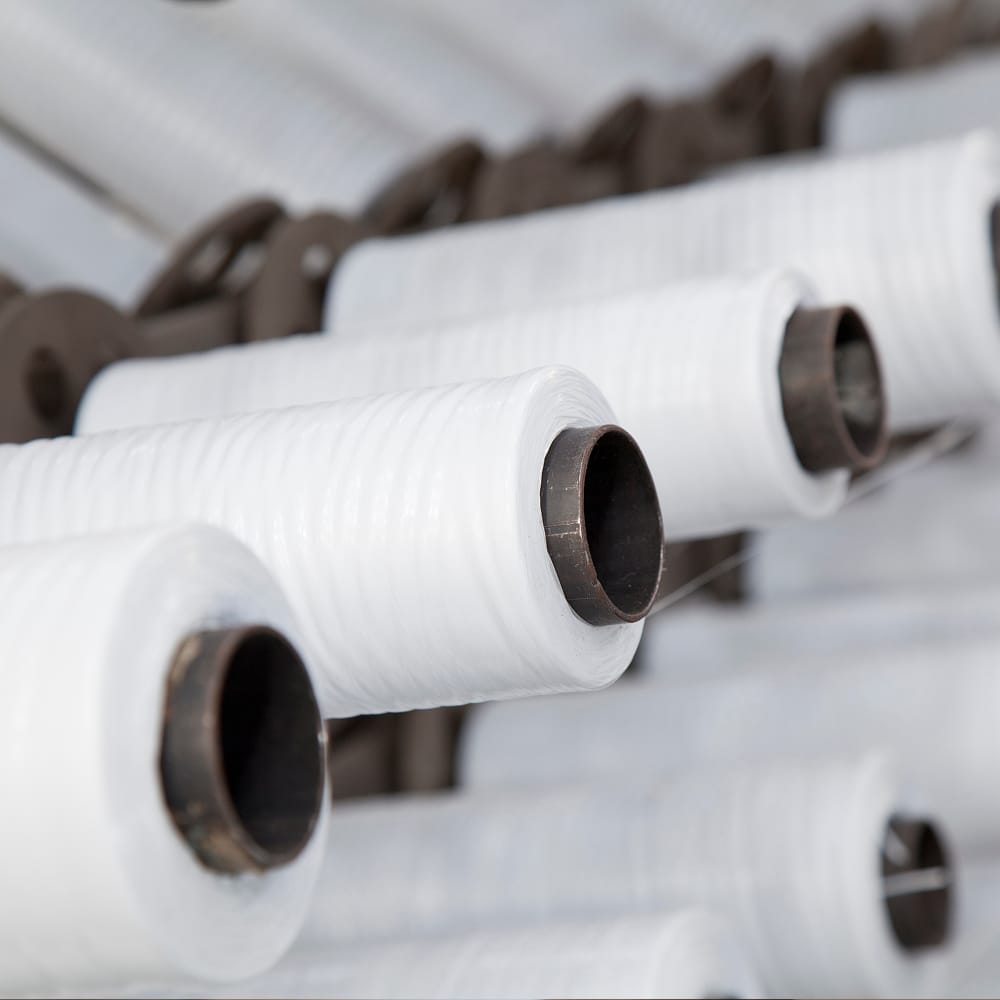
Beyond everyday energy-saving initiatives, De Licacy continues to invest in upgrading production equipment. Aging stenter machines, drying equipment, and selected weaving machines have been gradually replaced, while coal-fired boilers have been converted to natural gas systems to improve operational efficiency and reduce carbon-intensive energy consumption. These initiatives are expected to deliver long-term reductions in both electricity and natural gas usage.

test

Managing Carbon with Data

Turning Emissions Data into Meaningful Climate Action

De Licacy conducts greenhouse gas inventories and third-party verification in accordance with ISO 14064-1. In 2024, total greenhouse gas emissions amounted to 56,009.608 metric tons of CO₂e, representing an 11.53% reduction compared with the previous year. By continuously monitoring emission sources and performance data, the Company is able to implement more effective carbon reduction strategies and strengthen climate resilience.

2026 ESG Report

Advancing Circular Manufacturing

Creating Lasting Value Through Sustainable Materials

Sustainability extends beyond energy management to responsible material sourcing. De Licacy prioritizes bluesign®-approved chemicals and Global Recycled Standard-certified recycled yarns. In 2024, sustainable yarn accounted for 48.95% of total raw yarn purchases. Together with resource recycling and production waste recovery, these efforts support the Company's vision of building an efficient, resilient, and sustainable textile manufacturing system.

explore more

發布日期

2026.07.14

下一篇

2026.06.23

From Energy Transition to Circular Materials: Advancing Low-Carbon Textile Manufacturing

Synthetic yarn dyed possesses the functional properties of synthetic yarns and the pattern in yarn dyed. Casual apparels in checks, pleats, and a variety of textures, can present design by a good arrangement of colors and patterns. The light-function can also be added to these fabrics.

NOTICE 提示訊息

請先登入會員,以繼續執行本次操作!

NOTICE